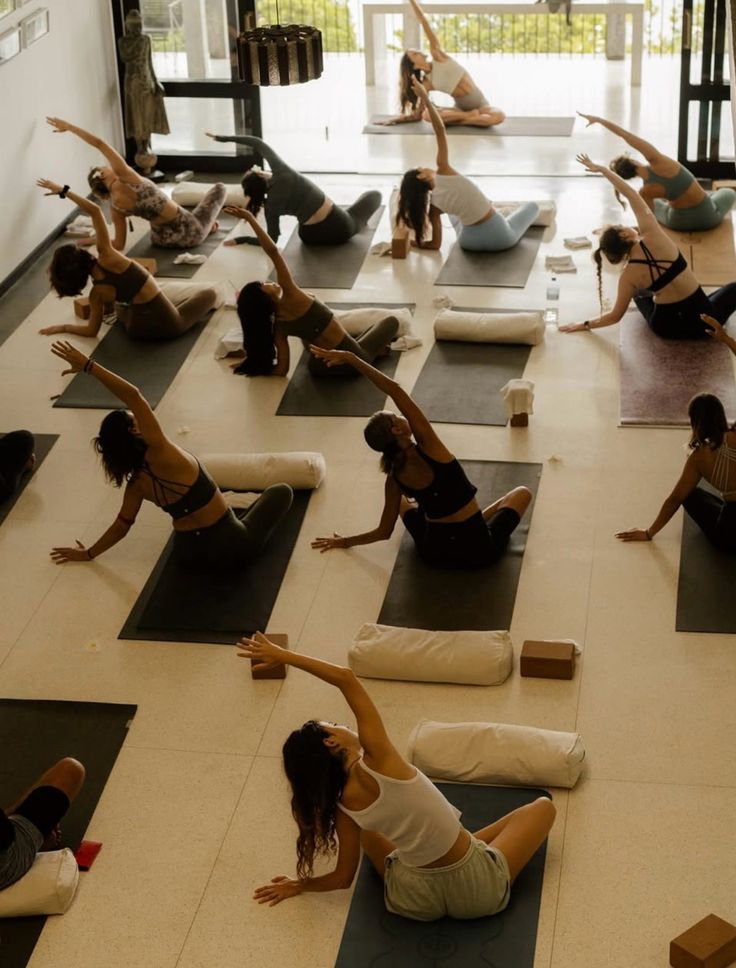
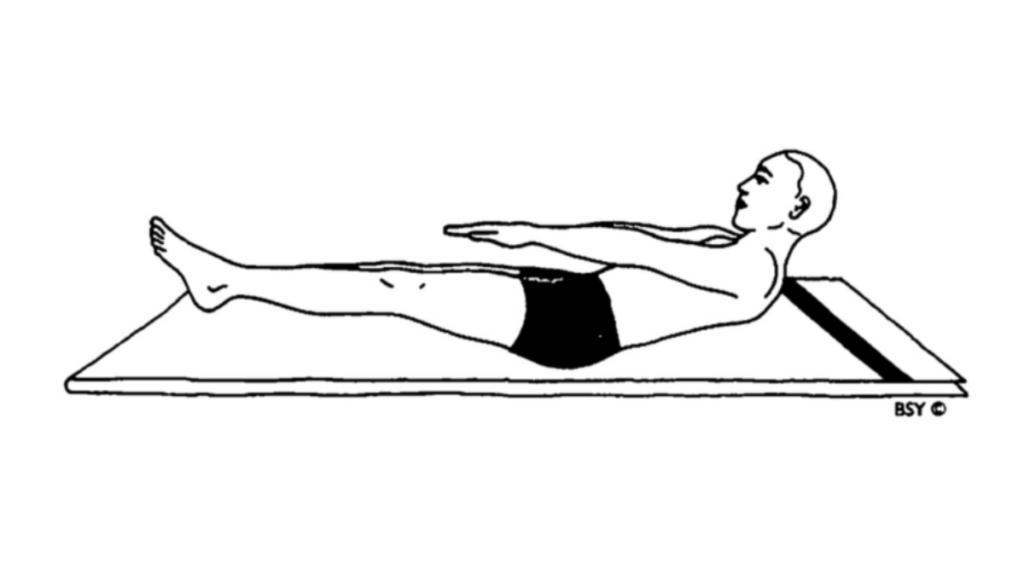
 The Digestive/Abdominal Group of the Pawanmuktasana Series is a group of yoga practices designed to work with the abdominal muscles, promote awareness of the digestive region, and gently mobilize the hips and lower back.
These practices are commonly taught in the Satyananda Yoga tradition and are generally performed slowly, with coordinated breathing.
1. Main practices in the series
1. Leg Rotation (Chakki Chalanasana variation / leg rotation)
Purpose: Hip mobility and abdominal engagement.
- Lie on your back with one or both legs raised as appropriate.
- Make controlled circular movements with the leg or legs.
- Repeat in both directions, without straining the back.
2. Cycling
Purpose: Abdominal muscle activation and hip movement.
- Lie on your back and lift your legs.
- Move your legs as if pedalling a bicycle.
- Keep the movements smooth and breathe normally.
3. Leg Raising
Purpose: Strengthening the abdominal and hip-flexor muscles.
- Lie flat with your legs together.
- Raise one leg at a time, or both legs if comfortable.
- Lower them slowly without arching your lower back.
4. Supta Pawanmuktasana (Wind-Relieving Pose)
Purpose: Gentle abdominal compression and hip mobility.
- Lie on your back and bend one knee toward your chest.
- Hold it gently, then change sides.
- If comfortable, draw both knees toward the chest.
5. Nauka Sanchalanasana (Rowing the Boat)
Purpose: Coordinated trunk movement and abdominal awareness.
- Sit with your legs extended.
- Move your arms and torso as if rowing a boat.
- Keep the spine comfortable and avoid forceful bending.
Note: The complete traditional abdominal group contains several additional practices, and names or ordering can vary slightly between teaching manuals.
2. Benefits
- Encourages movement of the abdominal and hip regions.
- Develops awareness and control of abdominal muscles.
- May help some people with mild gas or constipation when combined with regular activity and appropriate dietary habits.
- Improves coordination between movement and breathing.
- Can be a useful preparatory routine before a gentle yoga session.
These practices are not a guaranteed treatment for digestive disorders or a method of directly burning abdominal fat.
3. Important precautions
- Practise on an empty stomach, ideally in the morning or around 3–4 hours after a substantial meal.
- Avoid or seek medical guidance before abdominal-compression exercises during pregnancy, after abdominal surgery, or with a symptomatic hernia.
- If you experience lower-back pain, keep your knees bent and avoid lifting both legs if doing so causes your back to arch or hurt.
- Stop if you feel sharp pain, dizziness, or unusual abdominal discomfort.